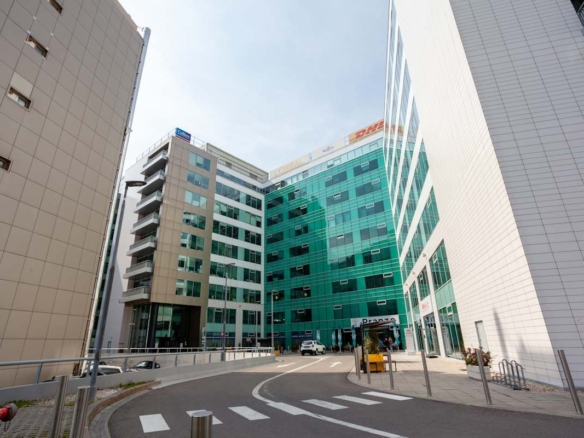
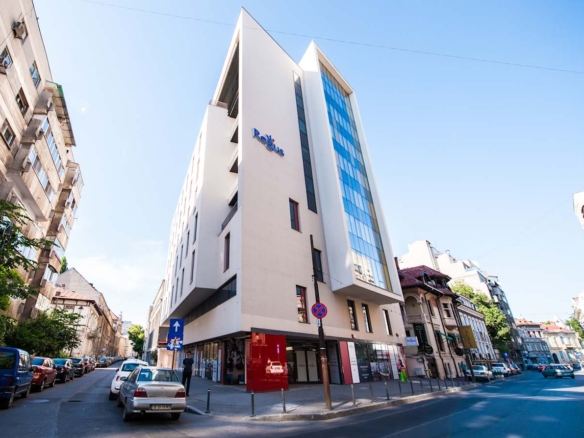
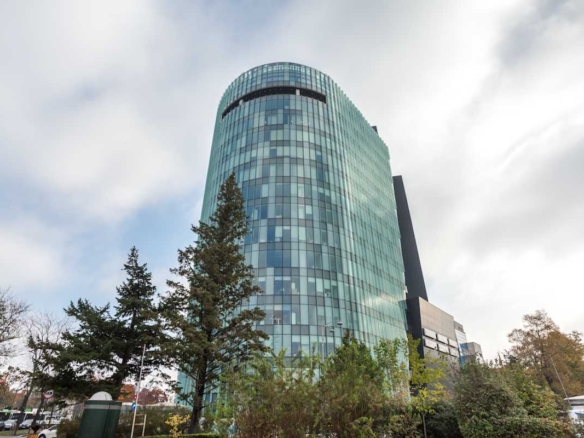
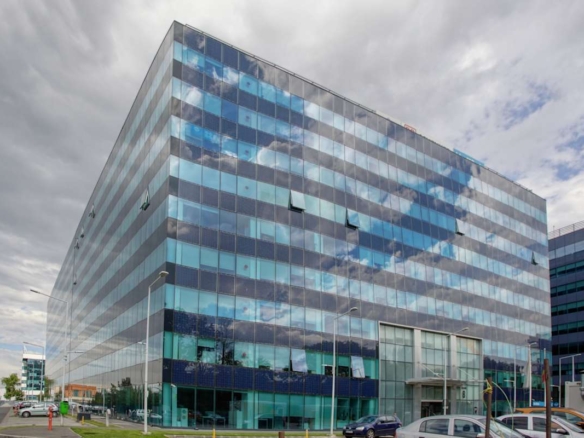
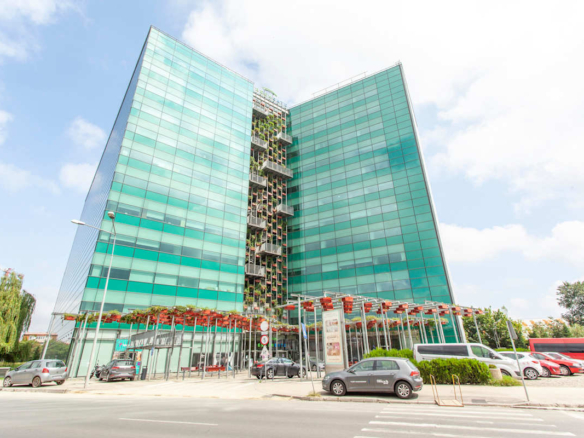
Office space in Bucharest

Bucharest has matured as Central and Eastern Europe’s most active office market, with northern Barbu Văcărescu and Pipera corridors containing modern Grade A stock. The market supports multinational shared service centres and rapid-growth startups seeking competitive costs.
Featured

Office spaces in Bucharest

A selection of the best workspaces in Bucharest
Featured

Office spaces in Bucharest

A selection of the best workspaces in Bucharest

Trusted by leading companies

Looking for workspace in Bucharest?

Our advisory team searches the full market on your behalf. Cost-free service for flexible workspace searches. Shortlist within 24 hours.

market overview

Central Europe's emerging business centre

Bucharest functions as Romania’s capital and largest commercial centre, with diversified economy spanning finance, technology, business services, and energy. The city accounts for over 20 percent of national GDP and hosts regional headquarters for multinational corporations alongside growing startup ecosystem. Over two decades, Bucharest has developed from post-transition economy to established business centre attracting international investment.

Office space concentrates in distinct zones with different characteristics. The northern corridor, including Barbu Văcărescu, Pipera, and Floreasca, contains majority of modern Grade A stock attracting corporate occupiers in banking, consulting, and IT services. Western districts, particularly Politehnica and Preciziei, have seen significant development in recent years supported by improved transport links. The city centre offers historic locations with character, increasingly popular with creative and media firms undertaking renovation projects.

Compared to Prague, Bucharest offers lower costs and faster growth trajectory; versus Warsaw, it provides greater technology sector concentration and lower employee salaries. The city combines competitive operating costs with educated, multilingual workforce and improving infrastructure. Strong venture capital activity supports growing startup ecosystem. The region’s position as gateway to South-Eastern Europe, combined with EU membership and lower costs than Western European centres, attracts multinational companies establishing shared service operations and regional headquarters seeking cost-efficient but skilled workforce alternatives.

Key Industries

What type of companies are based in Bucharest?

Technology

Business Process Outsourcing

Financial Services

Real Estate

Manufacturing

Professional Services

Your questions answered

Common questions

The Floreasca and Barbu Vacarescu corridor in the north has emerged as the primary modern CBD, suiting banks, consulting, law firms and major IT and BPO occupiers in Grade A towers around the Aurel Vlaicu and Pipera metro stations. Victoriei Square and the Calea Victoriei axis host government-adjacent firms and traditional corporates. Pipera further north anchors a large IT and shared services cluster. Presei Libere and Expozitiei draw newer corporate tenants. The Old Town and central core provide boutique options for smaller firms and startups.
Bucharest has a fast-growing flex market driven by a large IT services, BPO and shared services cluster, alongside banking, insurance and consumer goods firms. Romania is a significant nearshoring base for Western European companies, and flex operators have expanded rapidly along the northern axis through Floreasca, Aurel Vlaicu and Pipera. Major Western European operators compete with strong Romanian chains, and English is widely used in business. The market skews toward large managed office and private-floor formats tied to IT team builds, with coworking concentrated in the central core.
Bucharest is one of central and eastern Europe’s strongest bases for tech and shared services, widely used for nearshoring engineering, finance and customer operations functions. The city offers a deep technical talent pool drawing on Politehnica and other universities, strong English proficiency and competitive labour costs within the EU. Flex and managed office supply along the Floreasca and Pipera corridor is well-matched to scaling tech teams, with operators offering private-floor builds and secure enterprise IT. EU membership and GDPR-compliant setups simplify data handling for Western European parents.
Bucharest offers a deep flexible workspace market dominated by serviced offices, with supply concentrated across Calea Floreasca, Pipera, Aviatorilor and the central Victoriei area. Operators range from global brands to local Romanian platforms, supporting banking, business services, IT outsourcing and multinational shared services occupiers. Coworking is more limited but growing, with operators concentrated in the central districts and Floreasca, suiting tech scale-ups, design studios and freelancers. Managed offices, where space is fitted bespoke for a single tenant on a flex contract, are not yet a meaningful part of the Bucharest market.
Flexible workspace demand in Bucharest is anchored by IT outsourcing and shared services, with Romania’s strong technology talent base supporting major delivery centres for Microsoft, Oracle, IBM, Endava and a wide range of multinational technology firms. Banking and financial services occupiers, including Banca Transilvania, BCR and ING Bank Romania, cluster around Floreasca and Aviatorilor. Professional services, law firms and Big Four practices support the broader corporate base. Energy, telecoms (Orange, Vodafone) and a growing fintech and gaming scale-up community add depth, alongside government-adjacent consultancies and EU-funded project advisory firms.