
What is a Serviced Office? Everything You Need to Know
A serviced office is a fully furnished, ready-to-use private office space managed by a workspace operator, where you pay a single monthly fee that covers rent, furniture, internet, utilities, business rates, cleaning, and reception services. It is a type of flexible workspace, distinct from coworking spaces, managed offices, and traditional leased offices, and is typically occupied under a licence agreement rather than a lease.
In short, a serviced office lets you walk in, sit down, and start working on day one, with no fit-out, no separate utility accounts, and no long-term lease commitment.
How Does a Serviced Office Work?
A serviced office is operated by a workspace provider who leases or owns an entire building or floor, fits it out with furniture and infrastructure, and then rents individual offices to multiple businesses. Each business gets its own private, lockable office within the building, while sharing common areas such as reception, kitchens, breakout spaces, and meeting rooms with other tenants.
The operator manages everything. They employ the reception staff, maintain the building, handle the cleaning, pay the business rates, and keep the internet running. You, as the occupier, simply pay a monthly licence fee that bundles all of these costs into one predictable figure.
This is fundamentally different from a traditional office lease, where the tenant is responsible for fitting out the space, arranging their own utilities, paying business rates directly, and managing ongoing maintenance. A serviced office removes all of that complexity.
What is Included in a Serviced Office?
The inclusions vary between operators, but a standard serviced office package typically covers the following: fully furnished office space with desks, chairs, and storage; high-speed internet and Wi-Fi; a staffed reception area; a professional business address; access to shared meeting rooms, often with a set number of hours included per month; kitchen and breakout facilities; cleaning and maintenance; electricity, heating, and water; building insurance; and business rates.
Some operators also include printing and scanning, mail handling, phone answering services, and access to communal event spaces or terraces. The key principle is one invoice covering virtually everything.
The operator manages everything. They employ the reception staff, maintain the building, handle the cleaning, pay the business rates, and keep the internet running. You, as the occupier, simply pay a monthly licence fee that bundles all of these costs into one predictable figure.
This is fundamentally different from a traditional office lease, where the tenant is responsible for fitting out the space, arranging their own utilities, paying business rates directly, and managing ongoing maintenance. A serviced office removes all of that complexity.
What Are the Advantages of a Serviced Office?
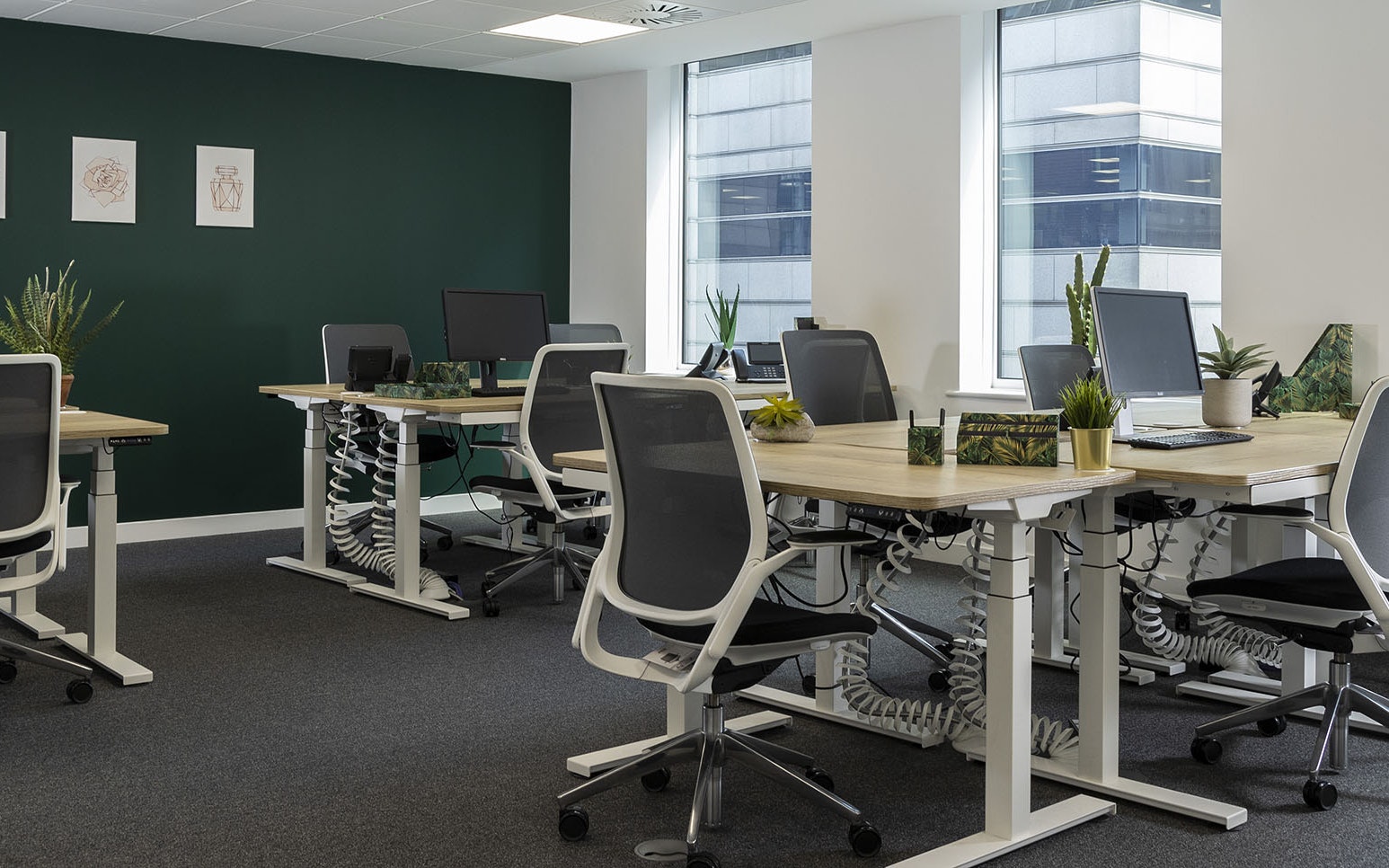
Speed and simplicity
You can move in within days. There is no fit-out period, no furniture procurement, and no waiting for broadband installation.
Reduced operational burden
The operator handles facilities management, building compliance, fire risk assessments, PAT testing, and day-to-day maintenance. Your team focuses on the business, not the building.
Predictable budgeting
A single monthly fee with no surprise service charge reconciliations, no utility bills, and no dilapidation liabilities at the end of your term.
Flexibility to scale
You can move to a larger or smaller office within the same building as your needs change, subject to availability.
Professional Image
Serviced offices are typically in high-quality buildings with staffed receptions and well-maintained common areas, projecting a more established image than many businesses could afford independently.
Networking opportunities
Sharing a building with other businesses creates natural opportunities for referrals, collaboration, and professional connections.
What Are the Disadvantages of a Serviced Office?
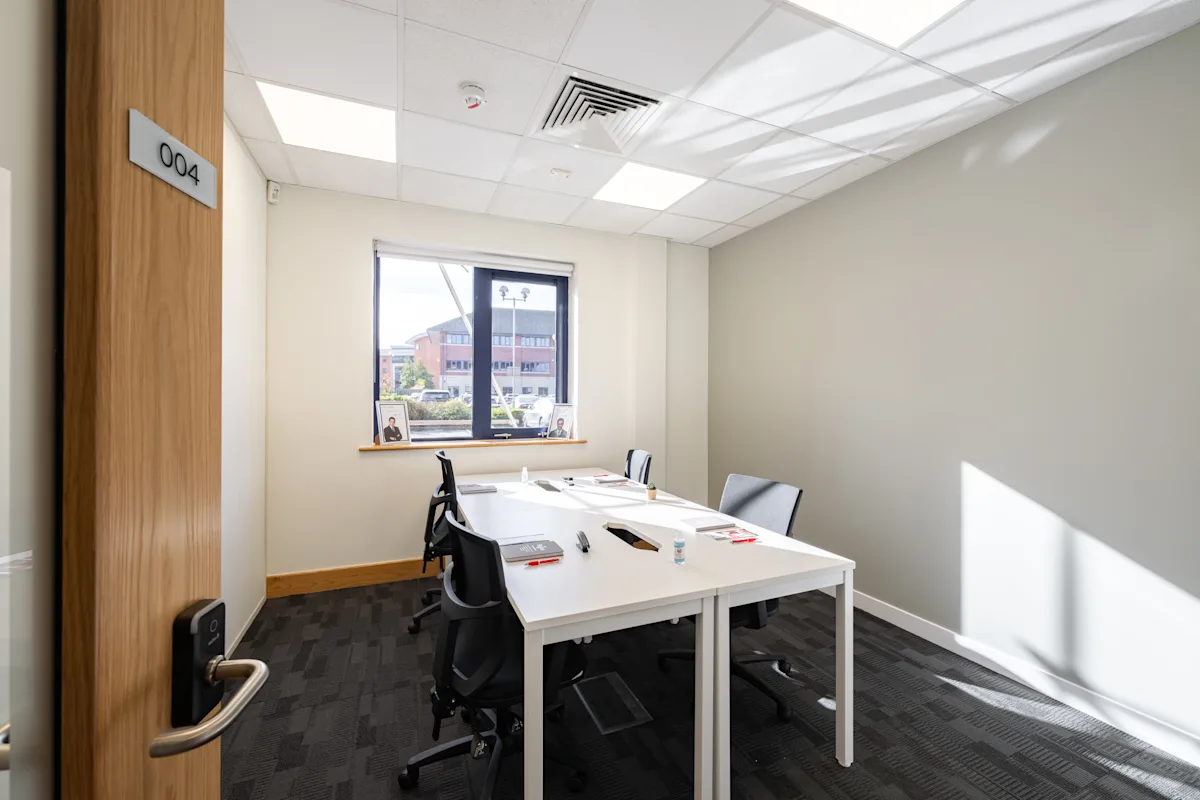
Higher cost at scale
For teams of 30 or more with stable space requirements, a conventional lease will almost always be cheaper on a per-desk basis over a multi-year period. The flexibility premium compounds over time.
Variable noise and privacy
Sound insulation between offices and common areas differs significantly between buildings. This is worth checking during viewings, particularly for businesses that handle confidential conversations or client calls.
Limited control over the environment
You share the building with other businesses and have limited influence over common areas, temperature, building rules, and overall aesthetic. If you want a fully branded experience from the front door inwards, a serviced office may feel restrictive.
Dependency on operator quality
Your experience is directly tied to how well the operator runs the building. A poorly managed serviced office can be frustrating, so check reviews and speak to existing occupiers before committing.
Who is a Serviced Office Best Suited To?
A serviced office is best suited to startups and early-stage companies that need professional space without the capital expenditure of a fit-out or the commitment of a long lease. It works well for SMEs scaling quickly that need the ability to add desks or change offices as they grow. It is ideal for project teams and interim requirements where space is needed for a defined period. It suits businesses entering a new market or city that want to establish a presence without a long-term property commitment. And it is a strong option for freelancers and small teams that want a professional environment and business address without the overhead of managing their own space.
In short, if you need professional office space with minimal commitment, minimal upfront cost, and minimal admin, a serviced office is likely the right starting point.
How Do You Choose the Right Serviced Office?
Visit the space during working hours to assess noise, atmosphere, and management quality. Ask about other businesses in the building and current occupancy. Read the licence agreement carefully, paying attention to what is included, the notice period, deposit terms, and early exit provisions. Check internet speed and resilience, as good operators will have redundant connections. Confirm meeting room availability and booking processes, particularly if included hours are limited.
Frequently Asked Questions
What is the difference between a serviced office and a coworking space?
A serviced office gives you a private, lockable room for your exclusive use. A coworking space gives you access to a shared, open-plan environment where you sit alongside people from other businesses. Serviced offices cost more but offer privacy, security, and a dedicated environment.
Can I use a serviced office address for Companies House?
Yes. Most serviced office operators allow you to register the address as your company’s registered office and service address with Companies House.
Do serviced offices include meeting rooms?
Most serviced offices include a set number of meeting room hours per month as part of the licence fee. Additional hours are typically charged per hour or per half day.
How long do I need to commit to a serviced office?
Commitment periods range from one month (rolling) to twelve months or more. Three to six months is the most common starting point. Longer commitments usually attract lower per-desk rates.
Are serviced offices more expensive than a lease?
On a per-desk basis, yes. But when you factor in fit-out costs, furniture, business rates, service charge, utilities, and management time, a serviced office can be cheaper in total for occupations of up to two to three years.
Ready to start your search
Send us a message and someone from our team will get back to you shortly.
