

- From £55/Per Sqft
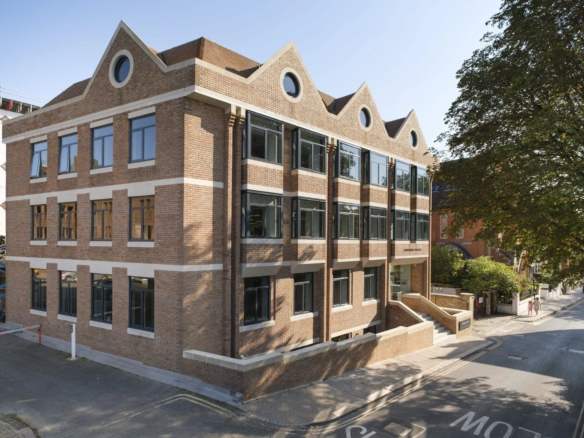
Evergreen Studios, Richmond
Evergreen Studios, Little Green, Richmond, UK- From £350/Per Desk/ Month

Matrix Studios, London
Matrix Studios, Peterborough Road, London, UK- From £415/Per Desk/ Month
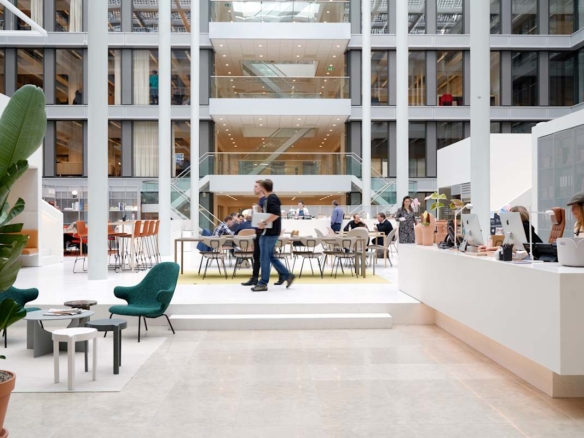
Highbury & Islington, London
Northway House, 257-258 Upper St,Highbury & Islington- From £489/Per Desk/ Month
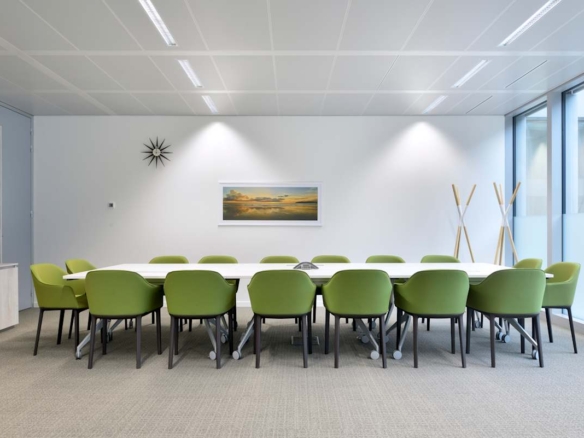
Craven House, London
16 Northumberland Ave,Craven House- From £435/Per Desk/ Month
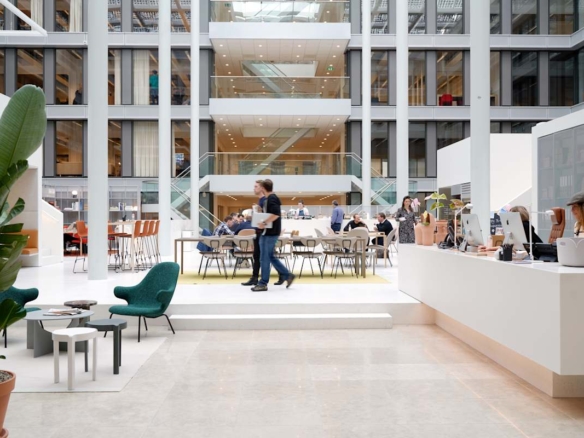
16 Banner St, London
16 - 24 Banner Street- From £409/Per Desk/ Month

City North West Place, London
17 City North Place,Finsbury Park- From £385/Per Desk/ Month

Sugar House Island, London
135 High Street,1st Floor, The Type Building, Chimney Walk,Sugar House Island- From £329/Per Desk/ Month
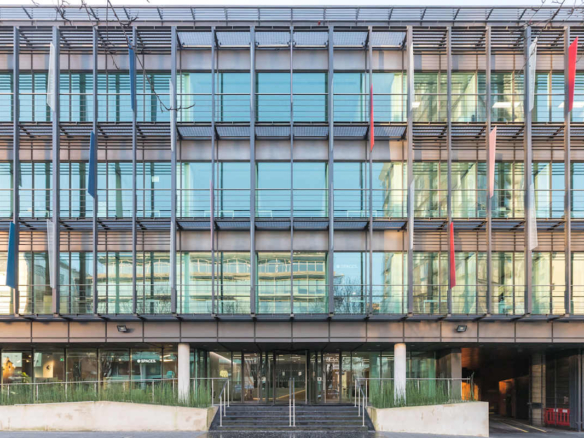
71-75 Uxbridge Road, Ealing, London
71-75 Uxbridge Road,Ealing- From £350/Per Desk/ Month
Matrix Studios, London
Matrix Studios, Peterborough Road, London, UK- From £415/Per Desk/ Month
Highbury & Islington, London
Northway House, 257-258 Upper St,Highbury & Islington- From £489/Per Desk/ Month
Craven House, London
16 Northumberland Ave,Craven House- From £435/Per Desk/ Month
16 Banner St, London
16 - 24 Banner Street- From £409/Per Desk/ Month
City North West Place, London
17 City North Place,Finsbury Park- From £385/Per Desk/ Month
Sugar House Island, London
135 High Street,1st Floor, The Type Building, Chimney Walk,Sugar House Island- From £329/Per Desk/ Month
71-75 Uxbridge Road, Ealing, London
71-75 Uxbridge Road,Ealing- From £315/Per Desk/ Month
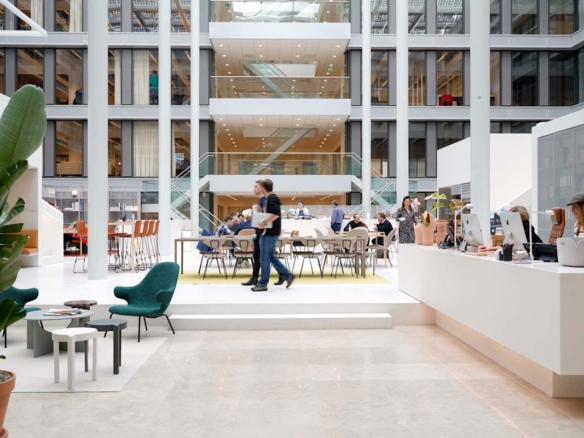
140-146 Camden Street, London
140-146 Camden Street, Camden- From £350/Per Desk/ Month
Matrix Studios, London
Matrix Studios, Peterborough Road, London, UK- From £700/Per Desk/ Month
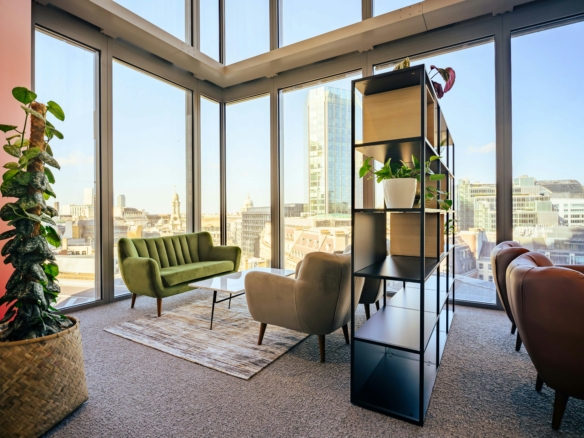
7th Floor, 22 Bishopsgate
7th floor, 22 Bishopsgate, London EC2N 4BQ, United Kingdom- From £507/Per Desk/ Month
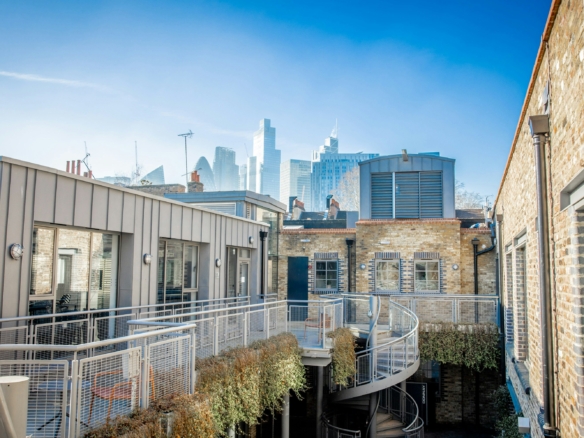
Huguenot Place, Spitalfields
x+why Huguenot Place, 17 Heneage St, London E1 5LN, United Kingdom- From £700/Per Desk/ Month
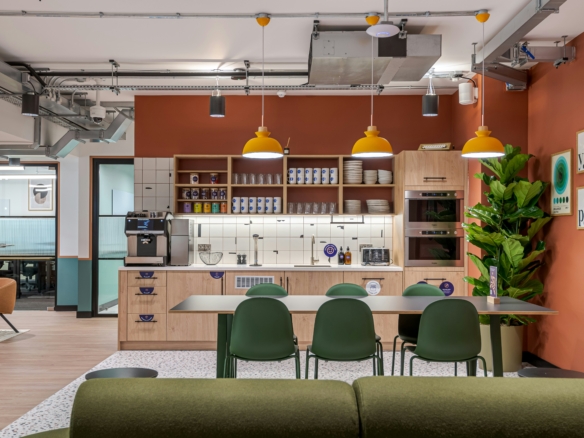
140-148 Borough High Street
140-148 Borough High Street, London SE1 1LB, United Kingdom- From £650/Per Desk/ Month
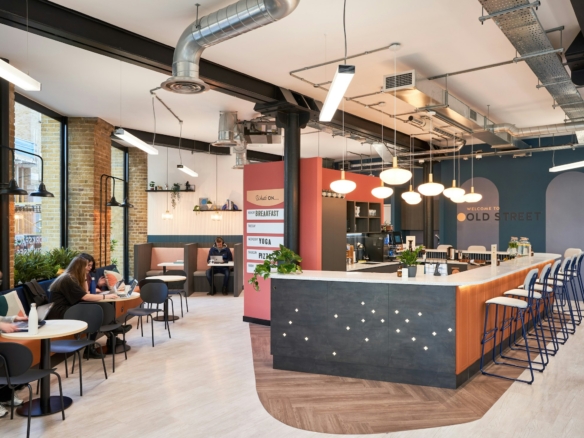
82 Great Eastern Street
Work.Life Old Street - East London Office Space & Coworking, 82 Great Eastern Street, London EC2A 3JF, United Kingdom- From £725/Per Desk/ Month
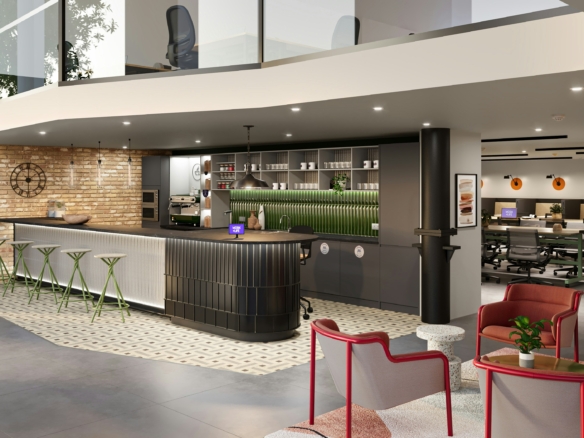
45-47 Clerkenwell Green
45-47 Clerkenwell Green, London EC1R 0EB, UK- From £700/Per Desk/ Month
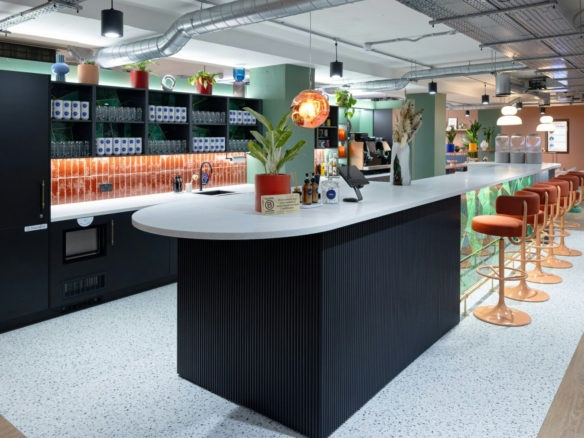
7 Saint Cross Street
Work.Life St Cross Street, Saint Cross Street, London, UK- From £800/Per Desk/ Month
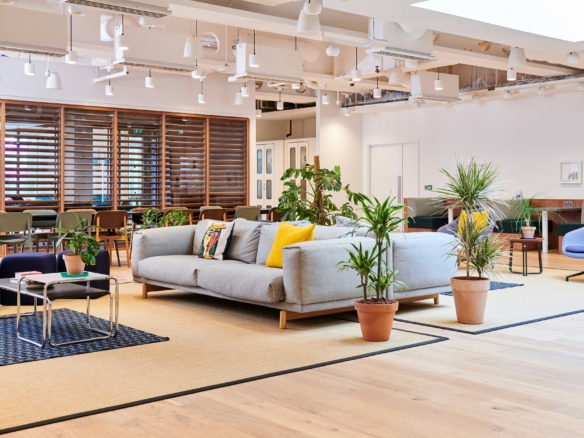
10 Fenchurch Avenue
10 Fenchurch Ave, London EC3M 5BN, United Kingdom- From £55/Per Sqft
Evergreen Studios, Richmond
Evergreen Studios, Little Green, Richmond, UK- From £750/Per Desk/ Month

9-13 St Andrew Street
9-13 St Andrew St, London EC4A 3AF, UK- From £1,200/Per Desk/ Month

1 Triton Square
1 Triton Square, Triton Square, London NW1 3BF, United Kingdom- From £600/Per Desk/ Month

South Bank Central
30 Stamford St, London SE1 9NA, United Kingdom- From £950/Per Desk/ Month

The Grove, Marylebone
248 Marylebone Road, London, UK- From £1,200/Per Desk/ Month
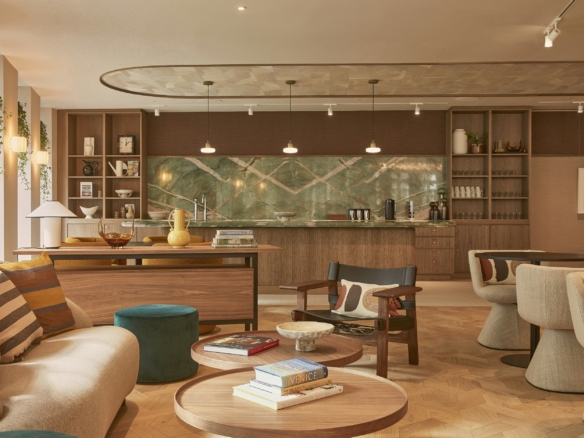
1 Sherwood Street, Piccadilly
1 Sherwood Street, London, UK- From £700/Per Desk/ Month
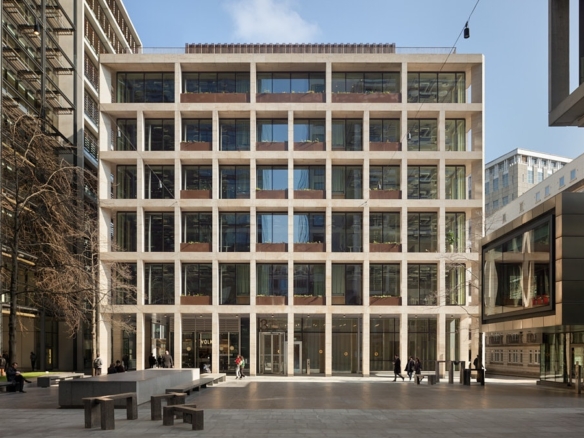
3 New Street Square
3 New Street Square, London EC4A 3BF, United Kingdom- From £690/Per Desk/ Month
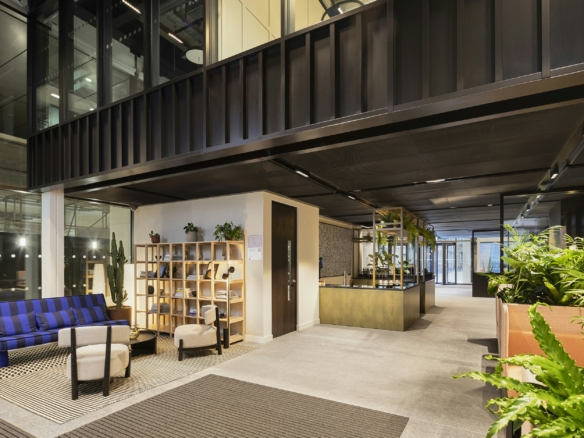
133 Park Street, Bankside
133 Park Street, London SE1 9ED, United Kingdom- From £350/Per Desk/ Month
Matrix Studios, London
Matrix Studios, Peterborough Road, London, UK- From £415/Per Desk/ Month
Highbury & Islington, London
Northway House, 257-258 Upper St,Highbury & Islington- From £489/Per Desk/ Month
Craven House, London
16 Northumberland Ave,Craven House- From £435/Per Desk/ Month
16 Banner St, London
16 - 24 Banner Street- From £409/Per Desk/ Month
City North West Place, London
17 City North Place,Finsbury Park- From £385/Per Desk/ Month
Sugar House Island, London
135 High Street,1st Floor, The Type Building, Chimney Walk,Sugar House Island- From £329/Per Desk/ Month
71-75 Uxbridge Road, Ealing, London
71-75 Uxbridge Road,Ealing- From £315/Per Desk/ Month
140-146 Camden Street, London
140-146 Camden Street, Camden

