

- From £155/Per Desk/ Month
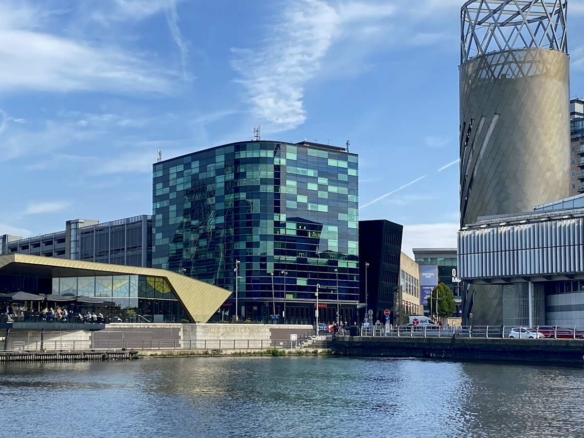
Digital World Centre
Digital World Centre, The Quays, Salford, UK- From £175/Per Desk/ Month
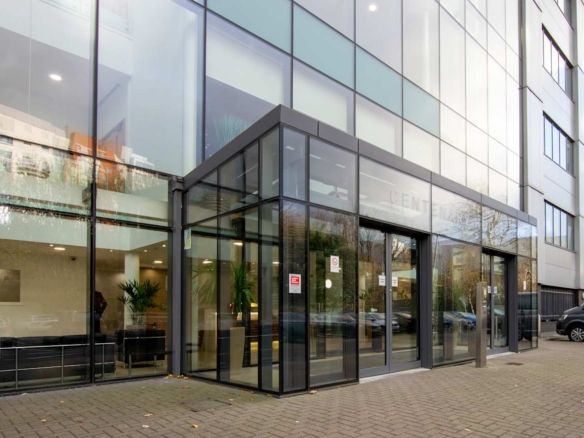
Centenary House, Trafford Park
Regus - Manchester, Trafford Park, Centenary Way, Salford, UK- From £550/Per Desk/ Month
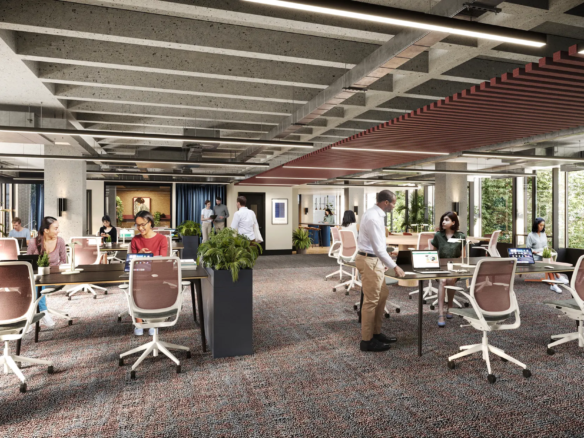
Pall Mall, Manchester
61 Pall Mall, King St, Manchester M2 4PD, United Kingdom- From £450/Per Desk/ Month
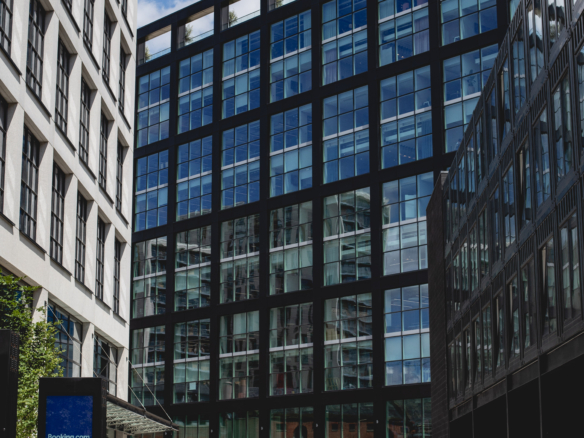
Globe Building, Manchester
Department - The Globe Building, New Quay Street, Manchester, UK- From £450/Per Desk/ Month
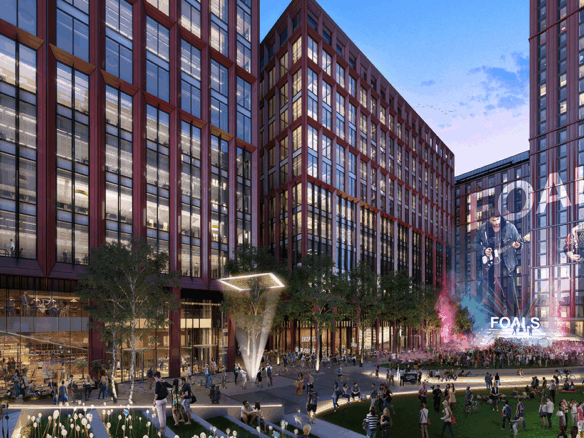
No 1 Circle Square
No.1 Circle Square, Symphony Park, Manchester, UK- From £495/Per Desk/ Month
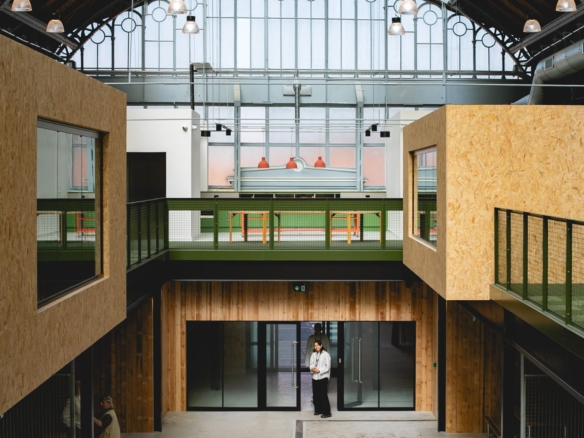
Campfield, Manchester
Lower Campfield Market, Lower Byrom Street, Manchester, UK- From £190/Per Desk/ Month
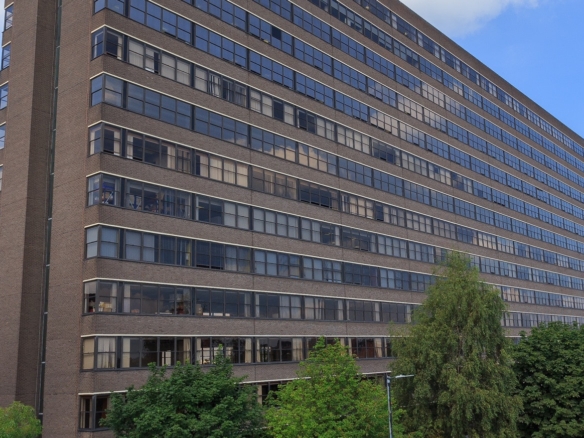
76 Talbot Road, Old Trafford
Citibase Manchester Old Trafford, Talbot Road, Old Trafford, Stretford, Manchester, UK- From £220/Per Desk/ Month

Bridge Street Studios
Bridge Street Studios, Bridge Street, Manchester, UK- From £155/Per Desk/ Month
Digital World Centre
Digital World Centre, The Quays, Salford, UK- From £175/Per Desk/ Month
Centenary House, Trafford Park
Regus - Manchester, Trafford Park, Centenary Way, Salford, UK- From £550/Per Desk/ Month
Pall Mall, Manchester
61 Pall Mall, King St, Manchester M2 4PD, United Kingdom- From £450/Per Desk/ Month
Globe Building, Manchester
Department - The Globe Building, New Quay Street, Manchester, UK- From £450/Per Desk/ Month
No 1 Circle Square
No.1 Circle Square, Symphony Park, Manchester, UK- From £495/Per Desk/ Month
Campfield, Manchester
Lower Campfield Market, Lower Byrom Street, Manchester, UK- From £190/Per Desk/ Month
76 Talbot Road, Old Trafford
Citibase Manchester Old Trafford, Talbot Road, Old Trafford, Stretford, Manchester, UK- From £220/Per Desk/ Month
Bridge Street Studios
Bridge Street Studios, Bridge Street, Manchester, UK- From £550/Per Desk/ Month
Pall Mall, Manchester
61 Pall Mall, King St, Manchester M2 4PD, United Kingdom- From £450/Per Desk/ Month
No 1 Circle Square
No.1 Circle Square, Symphony Park, Manchester, UK- From £495/Per Desk/ Month
Campfield, Manchester
Lower Campfield Market, Lower Byrom Street, Manchester, UK- From £360/Per Desk/ Month

One Silk Street
Colony One Silk St, Silk Street, Ancoats, Manchester, UK- From £360/Per Desk/ Month

Flint Glass Works
Colony Flint Glass Works - Manchester Co-Working & Office Space, Jersey Street, Ancoats, Manchester, UK- From £425/Per Desk/ Month

100 Barbirolli Square
Koba Space, 100 Barbirolli Square, Manchester, UK- From £450/Per Desk/ Month

The Lincoln Building, Manchester
Cubo Manchester, Lincoln Square, Brazennose Street, Manchester, UK- From £300/Per Desk/ Month

5 Piccadilly Place
Colony Piccadilly, Piccadilly, Aytoun Street, Manchester, UK- From £550/Per Desk/ Month
Pall Mall, Manchester
61 Pall Mall, King St, Manchester M2 4PD, United Kingdom- From £450/Per Desk/ Month
Globe Building, Manchester
Department - The Globe Building, New Quay Street, Manchester, UK- From £450/Per Desk/ Month
No 1 Circle Square
No.1 Circle Square, Symphony Park, Manchester, UK- From £320/Per Desk/ Month

Arkwright House
Arkwright House, Manchester, UK- From £300/Per Desk/ Month

Eagle House, 62 Cross Street
62 Cross Street, Manchester, UK- From £350/Per Desk/ Month

Fabrica, New Islington
Colony Fabrica - Manchester Co-Working & Office Space, Great Ancoats Street, Greater, Manchester, UK- From £425/Per Desk/ Month
100 Barbirolli Square
Koba Space, 100 Barbirolli Square, Manchester, UK- From £450/Per Desk/ Month
1 Oxford Street, Manchester
Hana by Industrious at St Peter's Square, Oxford Street, Manchester, UK- From £155/Per Desk/ Month
Digital World Centre
Digital World Centre, The Quays, Salford, UK- From £175/Per Desk/ Month
Centenary House, Trafford Park
Regus - Manchester, Trafford Park, Centenary Way, Salford, UK- From £550/Per Desk/ Month
Pall Mall, Manchester
61 Pall Mall, King St, Manchester M2 4PD, United Kingdom- From £450/Per Desk/ Month
Globe Building, Manchester
Department - The Globe Building, New Quay Street, Manchester, UK- From £450/Per Desk/ Month
No 1 Circle Square
No.1 Circle Square, Symphony Park, Manchester, UK- From £495/Per Desk/ Month
Campfield, Manchester
Lower Campfield Market, Lower Byrom Street, Manchester, UK- From £190/Per Desk/ Month
76 Talbot Road, Old Trafford
Citibase Manchester Old Trafford, Talbot Road, Old Trafford, Stretford, Manchester, UK- From £220/Per Desk/ Month
Bridge Street Studios
Bridge Street Studios, Bridge Street, Manchester, UK

