Office space in Brussels

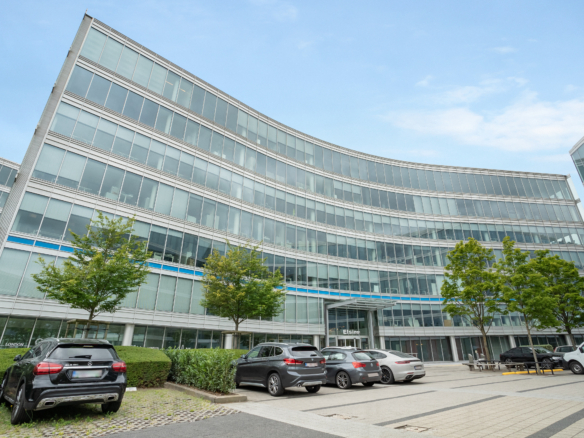
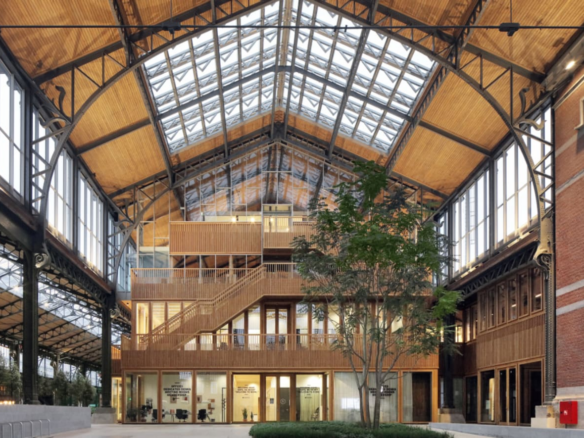
Brussels offers office space across the European Quarter, city centre, and outlying business districts, positioned as one of Europe’s most significant political and economic centres hosting EU institutions, NATO headquarters, and over 2,000 international organisations. The workspace market reflects sustained demand from multinational corporations, professional services firms, and international affairs consultancies serving regulatory and diplomatic operations.
Featured

Office spaces in Brussels

A selection of the best workspaces in Brussels

No listing found.

No listing found.

Featured

Office spaces in Brussels

A selection of the best workspaces in Brussels

Trusted by leading companies

Looking for workspace in Brussels?

Our advisory team searches the full market on your behalf. Cost-free service for flexible workspace searches. Shortlist within 24 hours.

market overview

Europe's capital for policy and commerce

Brussels serves as the de facto capital of the European Union and hosts the headquarters of NATO, positioning it as one of Europe’s most significant political and economic centres. The city generates nearly one-fifth of Belgium’s GDP with over 550,000 jobs concentrated in government affairs, public administration, finance, pharmaceuticals, and technology sectors. This political prominence creates sustained demand from multinational corporations seeking regulatory access, international organisations requiring European headquarters, and professional services firms specialising in EU affairs.

The office market reflects Brussels’ international character. The European Quarter concentrates EU institutions, international organisations, and consultancies serving policy operations. The city centre hosts corporate headquarters and financial institutions requiring accessibility to government operations and major talent pools. Operators range from global brands like Regus and Spaces to local providers such as Silversquare and Fosbury & Sons, with multilingual support reflecting the international workforce.

Transport infrastructure and multilingual talent position Brussels as Europe’s regulatory and diplomatic hub. Rail connections link the city to Paris, Amsterdam, and German economic centres, whilst Brussels Airport serves European and intercontinental routes. The city’s unmatched concentration of international organisations and policy bodies, combined with a highly educated multilingual workforce and recognition as a de facto capital, establishes Brussels as the location for companies requiring sustained access to European regulatory operations and international business networks.

Key Industries

What type of companies are based in Brussels?

Government and Public Sector

Professional Services

Financial Services

Life Sciences

Tourism and Hospitality

Logistics and Supply Chain

Workspace types

Workspace types in Brussels

Serviced offices

Fully fitted, all-inclusive, move-in ready. Furniture, IT, reception, and cleaning in a single monthly fee. Terms from one month.

Coworking spaces

Flexible shared workspace offering hot desks, dedicated desks and private pods on rolling terms. High-speed internet, breakout areas and bookable meeting rooms included. A cost-effective option for freelancers, remote workers and small teams.

Your questions answered

Common questions

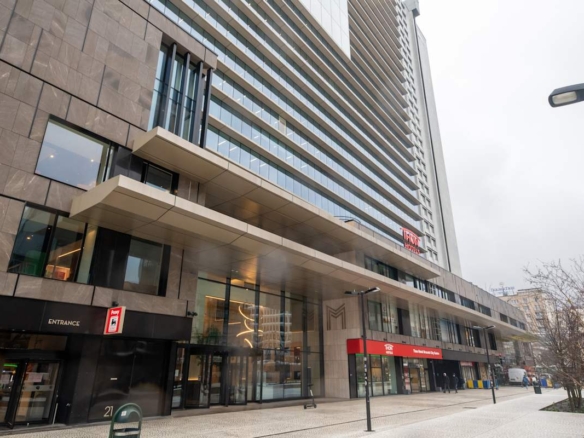
The European Quarter around Schuman, Luxembourg and the Leopold district is the primary business district, suiting EU-facing law firms, lobbying, trade associations, consulting and multinationals dealing with EU institutions. The CBD along the Boulevard du Regent and Place Rogier houses banking, insurance and Belgian corporate HQs. Avenue Louise draws boutique professional services, private banking and luxury firms. The North Station area around the Manhattan and WTC towers offers larger Grade A stock. Zaventem near the airport hosts logistics, consulting and pharma occupiers.
Brussels is uniquely shaped by the EU institutions, which drive demand from law firms, lobbyists, trade associations, consultancies and multinationals managing EU regulatory matters. NATO and a dense diplomatic community add further government-adjacent demand. Belgian banking, insurance and pharma firms round out the base. Supply is concentrated in the European Quarter and Leopold district, with international operators and strong Belgian chains competing. The market is bilingual French and Dutch in operations, with English the default business language in EU-facing buildings.
Brussels is the default base for EU-facing regulatory, policy and lobbying work, with unmatched proximity to the European Commission, Parliament, Council of the European Union and the permanent representations. Flex space in the European Quarter is built for this occupier mix, with operators familiar with short-term project needs, intergovernmental meetings and the rhythm of EU working weeks. Trade associations, law firms and consultancies cluster tightly around Schuman and Luxembourg, making in-person meetings straightforward. High-speed rail links to Paris, Amsterdam, Frankfurt and London support regular travel for regulatory and corporate teams.
Brussels’ flexible workspace market is dominated by serviced offices, with supply concentrated across the European Quarter, the Louise district, the North area around Gare du Nord and the wider central business districts. Operators range from global brands to long-established Belgian platforms, supporting EU institutions, lobbying firms, law firms and multinational regional HQs. Coworking is more limited but present, with boutique operators in the central districts serving consultancies, NGOs and creative agencies. Managed offices, where space is fitted bespoke for a single tenant on a flex contract, are not yet a meaningful part of the Brussels market.
Flexible workspace demand in Brussels is uniquely shaped by the European institutions, with the European Commission, European Parliament and Council headquartered in the city, anchoring a vast supplier ecosystem of lobbying, public affairs, law and consulting firms across the European Quarter. NATO and a deep diplomatic community add further institutional demand. Financial services, including KBC, BNP Paribas Fortis and a wide range of asset managers, anchor the Louise and central business districts. Multinational regional HQs covering the Benelux and the EU, life sciences (UCB), telecoms and a substantial trade association base round out occupier demand.