Office spaces in Osaka
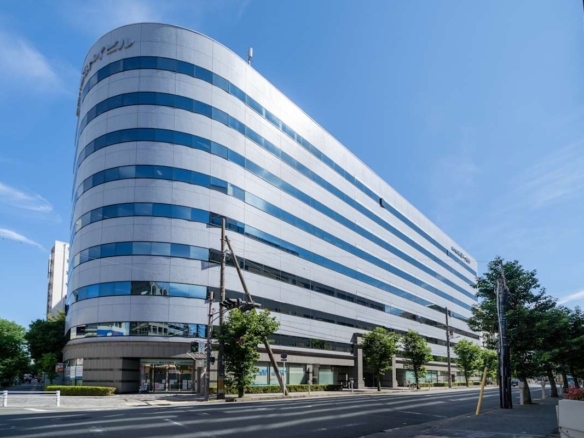
Osaka Hankyu Building, Osaka
Japan, 〒532-0003 Osaka, Yodogawa Ward, Miyahara, 1-chōme−1−1 Shin Osaka Hankyu Building, 5階Osaka Hankyu Building, Osaka
Japan, 〒532-0003 Osaka, Yodogawa Ward, Miyahara, 1-chōme−1−1 Shin Osaka Hankyu Building, 5階No listing found.
No listing found.
Office spaces in Osaka
Osaka Hankyu Building, Osaka
Japan, 〒532-0003 Osaka, Yodogawa Ward, Miyahara, 1-chōme−1−1 Shin Osaka Hankyu Building, 5階Trusted by leading companies
Looking for workspace in Osaka?
Our advisory team searches the full market on your behalf. Cost-free service for flexible workspace searches. Shortlist within 24 hours.
market overview
Osaka is Japan's third-largest business centre, anchoring the Kansai region
Osaka serves as Japan’s third-largest city and the commercial centre of the Kansai region, with a diversified economy centred on manufacturing, pharmaceuticals, biotechnology, and logistics. Major corporations including Panasonic, Sharp, and Takeda Pharmaceutical maintain headquarters, reflecting decades of industrial development. The city is a major logistics hub serving regional and international trade through its port and transport infrastructure. A growing technology sector, supported by Osaka University and research institutions, has established the city as a secondary innovation centre within Japan.
The office market concentrates across distinct districts. Umeda and Osaka Station form the primary business district with contemporary Grade A towers offering direct access to the Shinkansen network. Namba and Shinsaibashi provide mixed-use environments popular with hospitality and retail businesses rather than traditional corporate tenants. Nakanoshima, situated between two rivers, houses government offices and professional services firms. Osaka Business Park attracts technology and innovation-focused companies with purpose-built facilities. The Kyobashi area serves as an emerging secondary cluster with lower rents and good connectivity.
Osaka competes with Tokyo, Nagoya, and Kobe for Kansai and western Japanese investment, but maintains advantages through manufacturing clustering, pharmaceutical concentration, and port facilities serving Asia-Pacific trade. The city’s lower costs relative to Tokyo attract back-office and operational relocations from the capital. The Shinkansen provides direct connectivity to Tokyo and western regions. Two airports serve the region: Kansai International Airport on an artificial island and Osaka International Airport providing domestic links. The skilled workforce reflects decades of industrial operations and engineering education.
Key Industries
What type of companies are based in Osaka?
Manufacturing
Financial Services
Retail
Pharmaceuticals
Professional Services
Logistics and Supply Chain
Your questions answered