Office space in South Korea

South Korea’s office market is dominated by Seoul, with Busan and Daegu forming a secondary tier. Demand is driven by the chaebol HQs and a fast-growing technology sector. Flexify lists Korean workspaces across premium serviced suites in Gangnam, coworking in Yeouido and the CBD, and regional managed product, with live availability throughout.
Featured

Office spaces in South Korea

A selection of the best workspaces in South Korea
Featured

Office spaces in South Korea

A selection of the best workspaces in South Korea

Looking for workspace in South Korea?

Our advisory team searches the full market on your behalf. Cost-free service for flexible workspace searches. Shortlist within 24 hours.

market overview

A capital-centric market backed by strong conglomerate demand

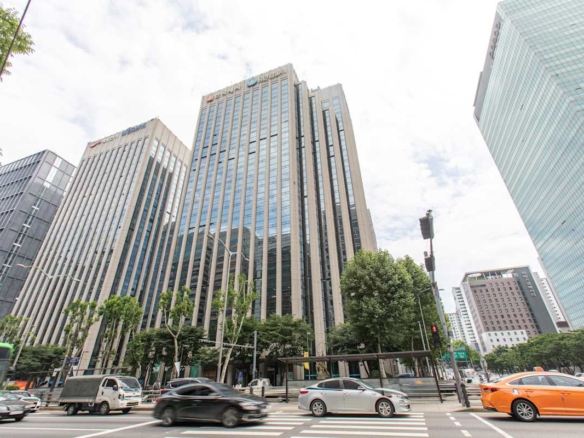
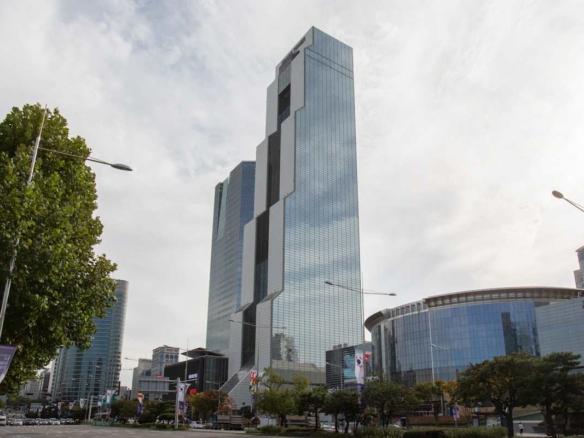
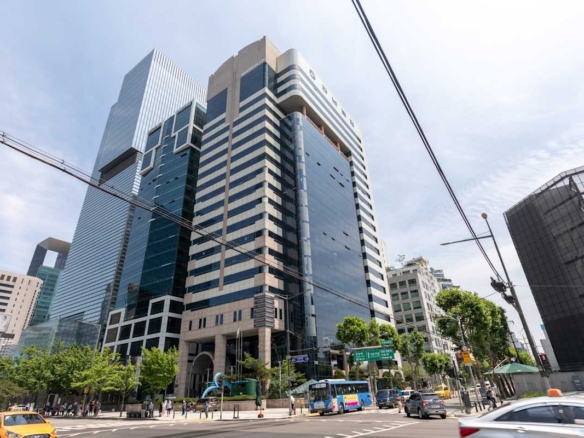
South Korea runs one of Asia’s most concentrated office markets, with Seoul accounting for the majority of national flex supply and the overwhelming share of large-occupier demand. The capital’s commercial activity clusters in the Gangnam Business District, Yeouido’s financial island and the CBD around Gwanghwamun, home to Samsung, Hyundai, SK and most of the chaebol HQs.

Busan sits second as the country’s main port, with demand in Seomyeon and Centum City supported by shipping, film and logistics occupiers at pricing materially below Seoul.

Daegu carries textile, mechanical and medical device demand from the Daegu-Gyeongbuk Free Economic Zone.

Product mix in Seoul is unusually deep for the region, with premium international serviced supply sitting alongside a well-developed domestic coworking market led by FastFive and SparkPlus.

Key Industries

Technology

Manufacturing

Automotive

Financial Services

Media

Shipping

Workspace types

Type of flexible workspaces available in South Korea

Move-in ready

Serviced offices

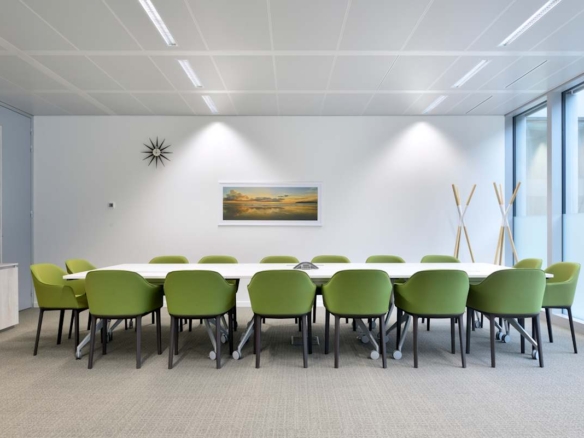
Fully fitted, all-inclusive, move-in ready. Furniture, IT, reception, and cleaning in a single monthly fee. Terms from one month.

Shared

Coworking

Hot desks, dedicated desks, and private pods in shared environments. Community, events, and flexibility. From a day pass up.

Popular Areas

Major towns/ cities in South Korea

Seoul

South Korea’s capital and one of Asia’s largest office markets. Demand clusters in the Gangnam Business District, Yeouido and the CBD around Gwanghwamun. Home to Samsung, Hyundai, SK and most of the chaebol HQs. The country’s deepest flex market with broad international and domestic operator supply at premium pricing.

Busan

South Korea’s second-largest city and the country’s main port. Office demand concentrates around Seomyeon and Centum City. Home to regional HQs for shipping, film, and logistics occupiers. A growing regional flex market with improving coworking and serviced supply at pricing materially below Seoul.

Daegu

South Korea’s fourth-largest city and a core textiles, mechanical and technology centre. Office demand concentrates around the CBD and the Daegu-Gyeongbuk Economic Free Zone. Home to regional HQs for textiles, automotive components and medical devices occupiers. A secondary flex market with a steady serviced supply at accessible pricing.

Your questions answered

Common questions

Office space in South Korea typically costs between ₩850,000 and ₩2,200,000 per desk per month for flexible workspace, with Seoul commanding the clear top of the range. Gangnam, Yeouido and Gwanghwamun premium suites can exceed ₩2,600,000 per desk. Busan’s Centum City and Seomyeon sit 25 to 40 percent below Seoul. Daegu, Incheon and Daejeon offer equivalent product at 35 to 55 percent lower pricing.
South Korea offers three main types of flexible workspace: serviced offices, coworking spaces and managed offices. Serviced offices provide private fitted suites on short-term contracts with reception and meeting rooms included. Coworking delivers hot desks and dedicated desks in shared professional environments. Managed offices provide a bespoke private floor designed, fitted and operated by a provider on a single monthly fee covering furniture, technology and building services.
South Korea’s principal office market is Seoul, which accounts for the majority of national flex supply. Seoul’s Gangnam Business District, Yeouido’s financial island and the CBD around Gwanghwamun anchor demand, home to Samsung, Hyundai, SK and most chaebol HQs. Busan is the country’s second market, with Centum City and Seomyeon supporting shipping, film and logistics. Daegu, Incheon and Daejeon round out regional supply.
Flexible office space in South Korea is available from one month upwards, with most operators offering rolling monthly or 12-month agreements inclusive of furniture, utilities, cleaning and reception. This contrasts with the conventional Korean commercial lease, which typically runs 2 years with very significant jeonse-style deposits of 6 to 10 months’ rent, occupier responsibility for maintenance fees, and fit-out and restoration costs at the occupier’s cost.
South Korea is Asia’s fourth-largest economy and a major office market, led by technology, manufacturing, automotive, financial services, media and shipping. Seoul hosts Samsung, Hyundai, SK, LG and most chaebol HQs, alongside the Korea Exchange in Yeouido. Gangnam concentrates technology and venture capital. Busan anchors shipping through HMM and supports a growing film industry. Daejeon’s Daedeok Innopolis leads R&D, and Incheon hosts logistics-linked demand near the airport.